Equipment Breakdown for a 3-Bay Self-Serve Car Wash
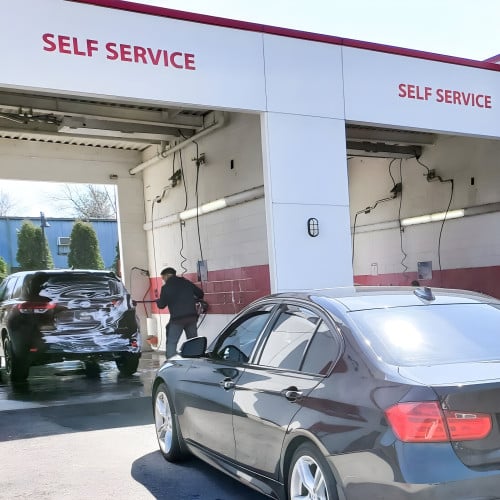
If you’re serious about building a self-serve car wash, a 3-bay setup is typically the smallest configuration that makes long-term financial sense. Anything less often struggles to generate enough revenue to cover fixed costs like water, electricity, and insurance — especially if one bay is down for maintenance. Three bays provide the flexibility to serve multiple customers at once and offer a realistic path to profitability.
Traffic requirements (quick take):
As a rule of thumb, a self-serve car wash captures about 1–2% of passing vehicles. A site with ~15,000 cars/day might expect 150–300 washes/day. At a $5–$7 average ticket, that’s roughly $750–$2,100/day in potential revenue. We dive deeper into traffic counts, corner-lot math, and capture rates in a separate article focused on choosing your car wash location.
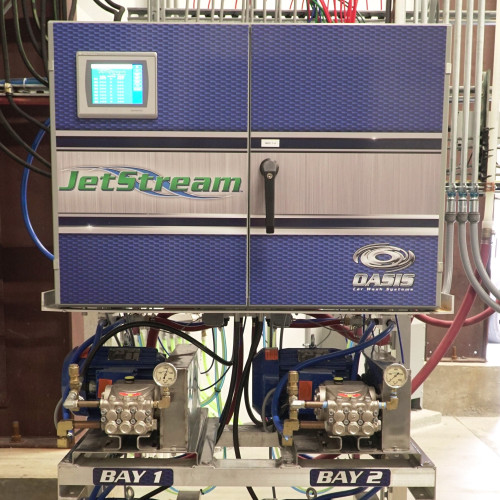
1) Self-Serve Wash System
Estimated Cost: $117,000.00
- High-pressure pumps and motors
- Computer-controlled wash system with touchscreen interface
- Bay meter boxes with multiple payment options (coins, bills, and a credit card payment system)
- Stainless steel spray gun, foam gun, and foaming brush assemblies
- Stainless steel booms, hoses, and holders for long service life
2) Vacuums
Estimated Cost: $16,500 (about $5,500 each × 3 bays)
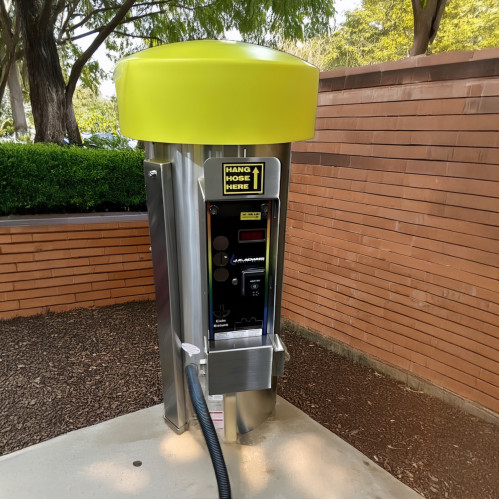
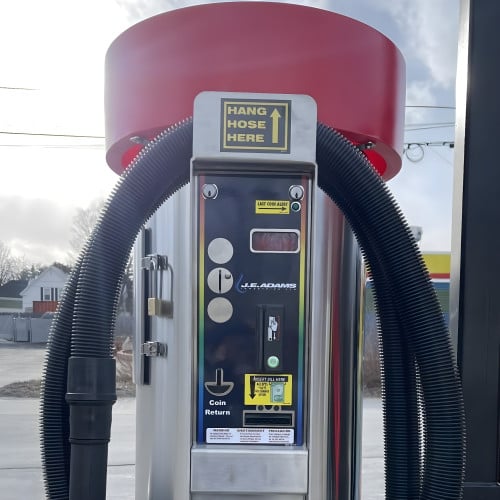
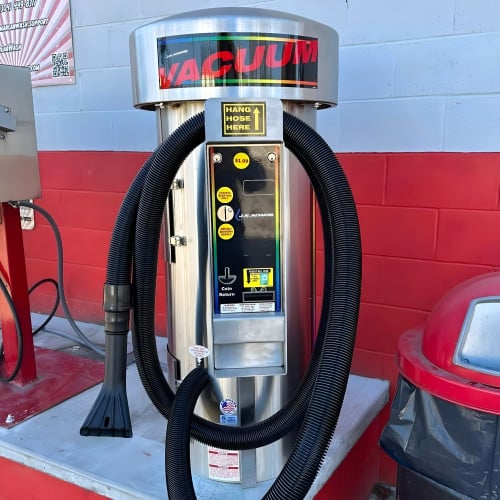
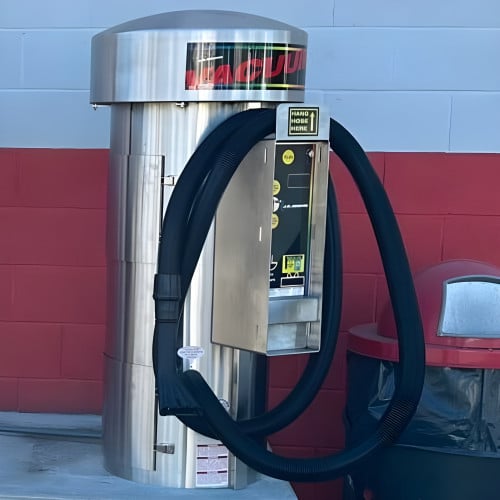
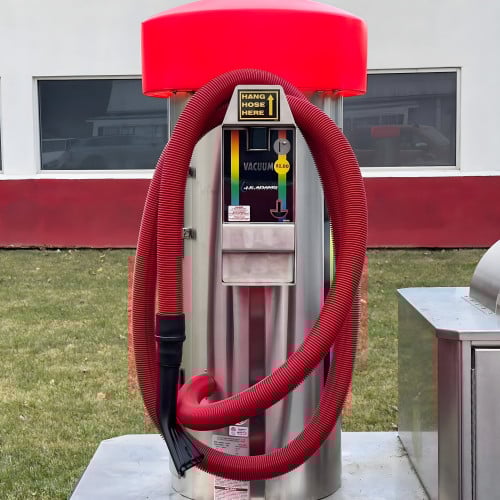
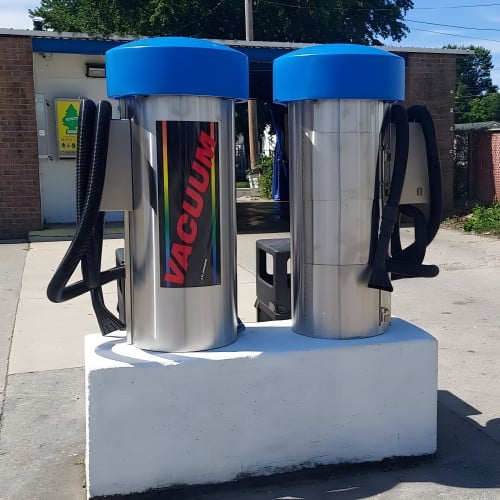
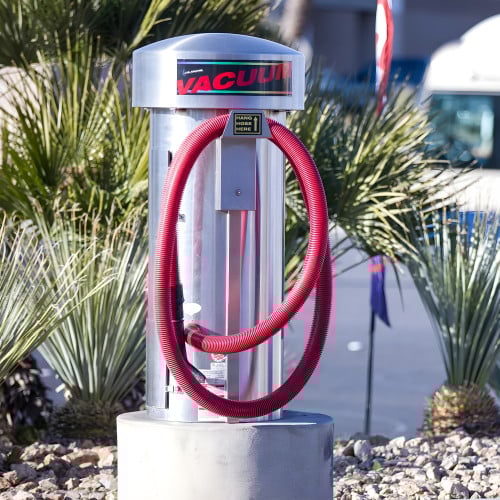
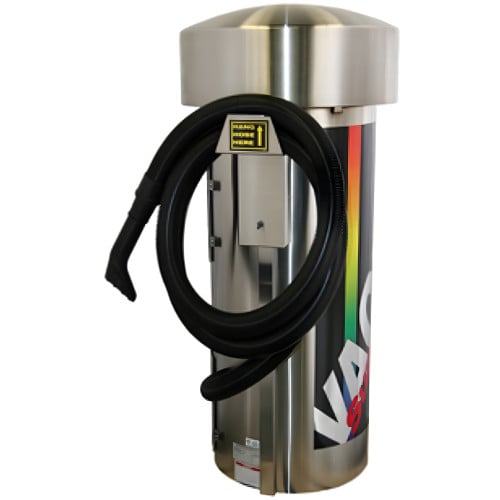
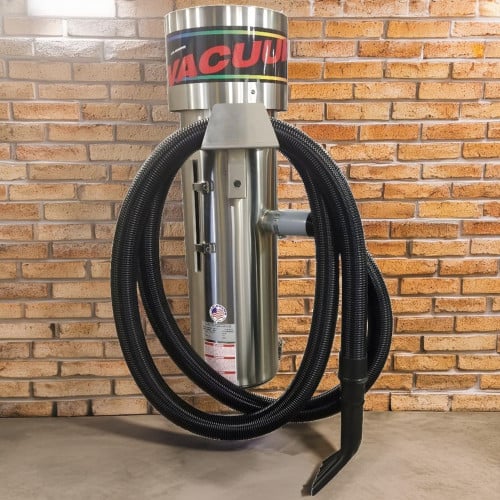
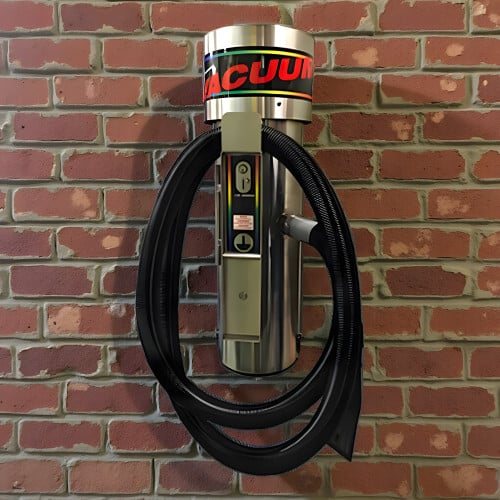
Commercial vacuums are an easy revenue add-on and often operate 24/7. Three-motor units with an integrated credit card payment system are standard and customer-friendly.
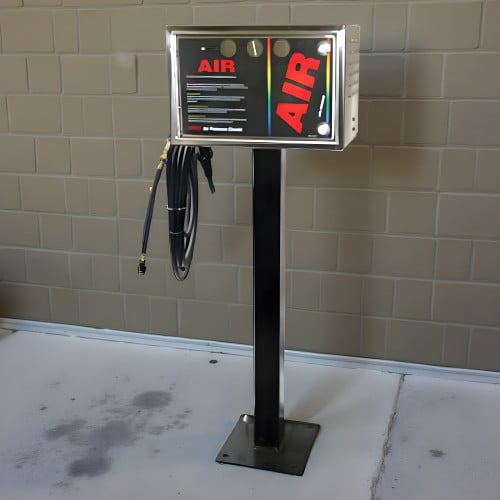
3) Air Compressor
Estimated Cost: $7,500
The air compressor is a vital part of the self-serve car wash system’s operation. It powers the pneumatic components that control water and chemical delivery, pressurizes the foam brush system so soap is properly aerated, and drives internal valves that switch between different wash functions. In many setups, compressed air is also used for winterization and freeze-protection systems. Without a reliable air compressor, key parts of the wash — including foam brushes and chemical injectors — simply won’t work.
- 15–30 CFM total at ~110 PSI (continuous)
- 60–100 gallon tank
- 5–7.5 HP motor
- 100% duty cycle design
- Three-phase power preferred
- Air dryer recommended for moisture control
Tip: Undersizing the compressor is a common beginner mistake. Spending more upfront prevents pressure issues, reduces wear, and ensures smooth performance during peak times.
4) Water Treatment & Management
System design depends heavily on your water source and local regulations.
- Urban (municipal water): Often fewer pre-wash filtration stages, but more robust post-wash reclamation to meet discharge rules.
- Rural (well water): Typically more pre-filtration and softening to remove minerals/iron/sediment, and may not require reclamation if discharge rules are relaxed.
Water System Components Explained
- Water Softener – Hard water is full of minerals like calcium and magnesium. These minerals reduce soap effectiveness, leave scale inside pumps and pipes, and shorten the life of equipment. A softener removes those minerals, improving wash quality, reducing maintenance, and protecting your investment. Almost every car wash — urban or rural — uses one.
- Reverse Osmosis (RO) Spot-Free Rinse – Even softened water still contains dissolved solids. When water with those solids dries on a car’s surface, it leaves spots. An RO system filters water at a molecular level, producing ultra-pure water for the final rinse so cars dry without spotting. Nearly all modern washes offer a spot-free rinse as a premium service.
- Oil/Water Separator – Cars leak oil, grease, fuel, and other fluids that end up in your wash bay runoff. An oil/water separator removes these contaminants before water enters a sewer, septic system, or reclaim unit. It’s almost always required by local code, protects municipal infrastructure, and prevents environmental fines.
- Water Reclamation System – A reclaim system captures, filters, and reuses a portion of wash water. This reduces water and sewer bills and is required in many cities with strict environmental rules. Even where it’s not mandatory, it can significantly lower operating costs and position your wash as eco-friendly.
- Pre-Filtration / Heavy-Duty Filtration (for rural well water) – If you’re on a well, you may deal with iron, sulfur, sediment, or other contaminants before water even reaches the softener or RO unit. A pre-filtration system removes these so the rest of your equipment runs properly and isn’t damaged by debris or excessive minerals.
Example: Urban Car Wash Water System (Municipal Water)
- Water Softener – $4,500
- Reverse Osmosis Spot-Free Rinse – $8,000
- Oil/Water Separator – $6,000
- Water Reclamation System – $18,000 (required in many cities)
Estimated Total (Urban): ~$36,500
Example: Rural Car Wash Water System (Well Water)
- Pre-Filtration – $4,000 (iron/sulfur/sediment removal)
- Water Softener – $4,500
- Reverse Osmosis Spot-Free Rinse – $8,000
- Oil/Water Separator – $6,000
Estimated Total (Rural): ~$22,500
Using an average for planning:
Actual needs vary by site. For a realistic planning number in this article, we’ll use the average of the two examples above: ~$29,500 for water treatment and management.
5) Installation (Self-Serve Wash System Only)
Estimated cost for planning: $35,000
Professional installation of the self-serve wash system typically costs around $35,000 in most standard U.S. locations. This estimate covers installation of the core wash equipment — including pumps, controls, plumbing connections, and electrical tie-ins — but does not include installation of vacuums, water treatment systems, or any building-related construction.
Travel costs can significantly affect the final price. Installation crews almost always require overnight stays, and the total cost will vary depending on hotel prices, flights, and other travel expenses. Sites in remote or high-cost areas should expect a higher installation total than those located near major transportation hubs.
Summary of Equipment Costs
| Component | Estimated Cost |
| 3-Bay Self-Serve Wash System | $117,000.00 |
| Vacuums (×3) | $16,500 |
| Air Compressor | $7,500 |
| Water Treatment & Management (planning average) | ~$29,500 |
| Installation (Self-Serve Wash System only) | $35,000+ |
| Estimated Equipment Total |
$205,500.00 |
Bottom line: Starting with three bays gives you enough throughput to cover fixed costs and handle peak demand without turning customers away for a location that sees ~15,000 cars/day. Pair the core wash system with the right vacuums, a properly sized compressor, and a water system tailored to your site’s source and regulations, and you’ll have a strong foundation for a profitable self-serve operation.