When people think about starting a car wash, they imagine picking out shiny new equipment and collecting quarters. The reality? The building and infrastructure are what make or break your project — and they’re far more complicated than most first-time investors realize.
Why the Building Is the Real Challenge
It’s not just concrete walls and a roof. A car wash building is a carefully engineered system that has to handle high water volumes, heavy vehicles, chemical exposure, high-amperage electrical demand, and local building codes — all while draining properly and withstanding the elements.
- Permitting & zoning: Site plan approvals, drainage and stormwater management, and sometimes environmental permits — all before you pour a slab.
- Drainage & slope engineering: Floors must be precisely sloped to trench drains and oil/water separators that meet discharge regulations.
- Electrical infrastructure: Many sites require new or upgraded three-phase service and larger panels; lead times and utility fees can be significant.
- Water & sewer capacity: Daily usage can be high; you may need larger service lines, backflow prevention, reclamation, or on-site treatment.
- Access & traffic flow: Municipalities scrutinize ingress/egress, queuing, turn lanes, and paved parking or vacuum areas.
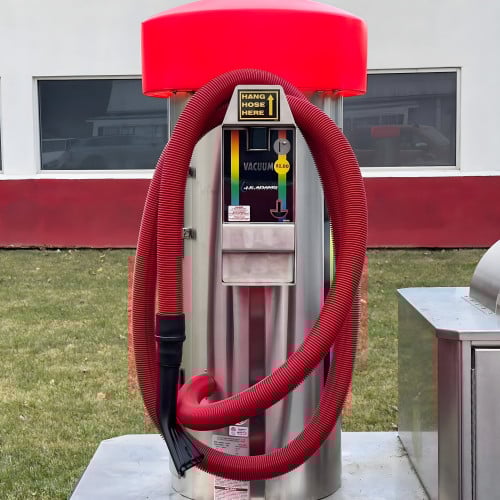
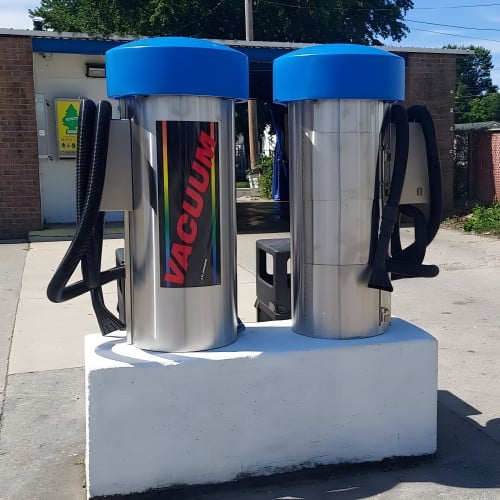
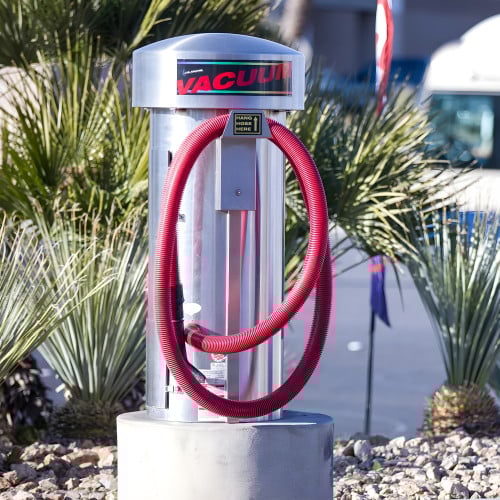
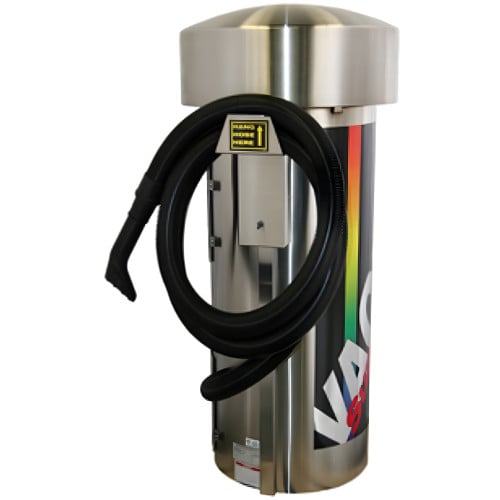
- Environmental & ADA compliance: From vacuum islands and signage to parking stalls and pathways, requirements are strict and enforced.
All of these factors exist regardless of how you build. And they’re why the building — not the equipment — is where most projects stumble.
Two Smarter Paths That Avoid the Biggest Headaches
Because ground-up construction is so complicated, experienced operators usually choose one of two approaches that reduce complexity and risk.
1) Buy an Existing Car Wash — Even One That Failed
Car washes often fail for reasons unrelated to the property itself: outdated equipment, poor maintenance, or weak marketing. But the infrastructure — trench drains, plumbing, power, site plan — is often perfectly usable.
Buying a closed or underperforming wash can save months of permitting and construction because the property is already zoned and approved for car wash use. You may still need permits for renovations or signage, but you avoid the riskiest and most expensive part of the process: starting from raw land.
With a retrofit, you focus capital on what moves the needle — modern equipment, updated payment systems, and a refreshed brand — instead of digging trenches and fighting city hall.
2) Use a Prefabricated, Purpose-Built Car Wash Structure
If you want a new build but fewer surprises, a prefabricated car wash building can dramatically simplify the process — without pretending permits and utilities disappear.
- Fixed, predictable structure cost: Know the shell price up front — fewer change orders and material surprises.
- Faster installation: Pre-engineered components assemble in weeks, not months, so you open and generate revenue sooner.
- Optimized design: Correct bay dimensions, floor slopes, drain locations, and pump-room layouts from day one.
- Lower construction risk: Reduce exposure to contractor issues that leave projects half-built and over budget.
Reality check: you’ll still budget for paving, road access, site drainage, water/sewer connections, signage, and possible utility upgrades — plus the same permitting steps. But with prefab, the building itself — usually the most unpredictable part — becomes the most predictable part.
Expert Take: Remove Variables Wherever You Can
Whether you modernize an existing wash or build new with a prefab structure, the key is the same: eliminate unknowns. Operators struggle when they design everything from scratch and rely on teams who’ve never built a wash before. They succeed when they treat the wash like a business, not a construction science project.
Prefab structures and retrofits both shorten the path to revenue. They let you spend less time in engineering meetings and more time planning how you’ll bring customers in on opening day.