Commercial vacuums are built to work hard — but like any piece of equipment, they need regular care to stay reliable and perform at their best. Whether you’re operating a vacuum in a self-serve car wash, using one in a detailing shop, maintaining a fleet of vehicles for a business, or offering it as an added amenity at an apartment complex, consistent maintenance not only extends the life of your machine but also helps it deliver maximum suction and efficiency day after day.
1. Maintain and Clean Filter Bags Filter bags are the first line of defense in protecting the motor from dust and debris. They play a critical role in maintaining suction and preventing dirt from reaching the motor. The four filter bags can be accessed from the top door of the vacuum canister, making them easy to remove for cleaning or replacement. Shake them out at least once a week to keep airflow strong. Over time, dust buildup reduces performance, so it’s smart to keep a spare set on hand and rotate them.
- Shake out loose debris before washing.
- Rinse thoroughly with a low-pressure hose or place them in a washing machine on a gentle cycle using a mild detergent.
- Air dry only — never use a dryer, as heat can damage the material.
- Once completely dry, inspect the bags for wear, holes, or thinning fabric before reinstalling.
Many operators choose to replace filter bags monthly or as needed depending on usage. Keeping an extra set available ensures you can swap them out quickly and avoid downtime. You can find replacement filter bags here.
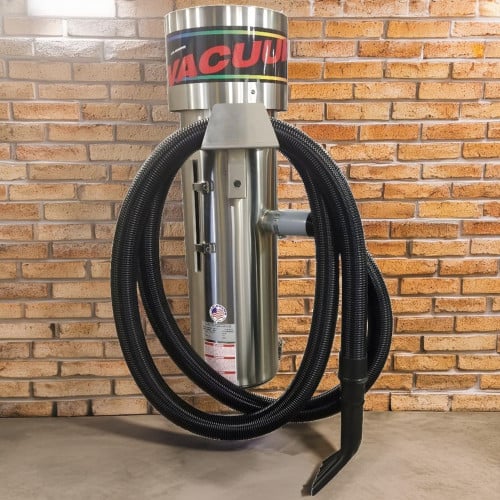
2. Empty the Dirt Canister Regularly Emptying the dirt chamber on a regular schedule prevents blockages, keeps suction strong, and avoids airflow restrictions that can reduce performance. The dirt collection area is located behind the lower door of the machine, and it should be checked often.
If your vacuum is equipped with the optional rubber container or vinyl bag, removal and disposal of collected debris is quick and easy. If you notice a considerable amount of debris under the container, it may be beneficial to add some weight — such as a small brick — inside the container to keep it from shifting when the machine is in use.
If you don’t have either accessory, you can simply sweep out the lower chamber to keep it clean and free of buildup. If you have another vacuum nearby, it’s often easiest to use it to clean the machine you’re servicing.
3. Inspect Hoses and Connections Weekly
Vacuum hoses can develop cracks or splits over time, especially in high-use environments. Check them weekly and replace any damaged sections immediately to prevent suction loss. Additionally, check the claw nozzle at the end of the hose to ensure it has a fully flat suction surface — if the edges have rounded off or worn unevenly, replace the nozzle to ensure the best sucking surface.
4. Maintain Gaskets for a Proper Seal
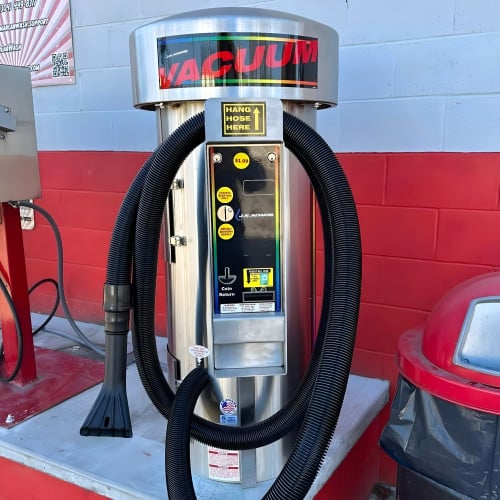
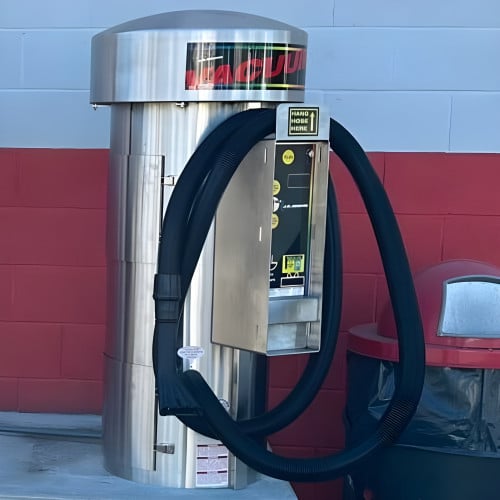
Both the door and motor gaskets should be checked periodically. If they’re worn, torn, or not sealing properly, suction can drop significantly. Replacing these inexpensive parts can restore full performance quickly. The door gaskets are easily seen on the back of the machine, while the motor gaskets require removing the top dome to access them. Inspect both during routine maintenance to make sure they’re sealing properly.
There are also plastic caps located at the bottom of the vacuum that cover the openings where the unit is mounted to the ground. These can be seen by opening the lower door. Make sure these caps are fully seated, as air leaks in this area can reduce suction performance.
5. Inspect Electrical Wires and Connections
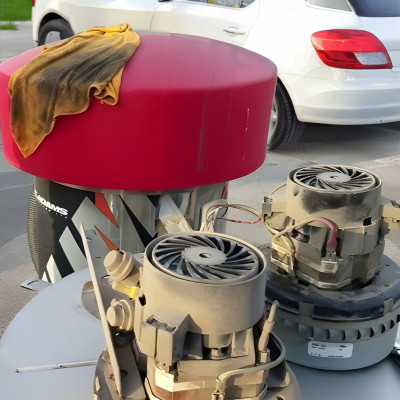
The electrical components are located in the upper section of the vacuum near the motors. The dome of the vacuum should be removed periodically to inspect these areas. Look for any signs of wear, loose connections, or frayed wires, as these can lead to safety issues or cause the machine to stop working properly. Addressing small electrical issues early can prevent more serious problems down the line.
6. Check Motor Brushes Monthly
Motor brushes wear down over time. Inspect them every month and replace them immediately if they’re shorter than ¼ inch. Always disconnect power before performing this maintenance. Neglecting worn brushes can lead to poor performance or even motor damage.
7. Keep the Exterior Clean
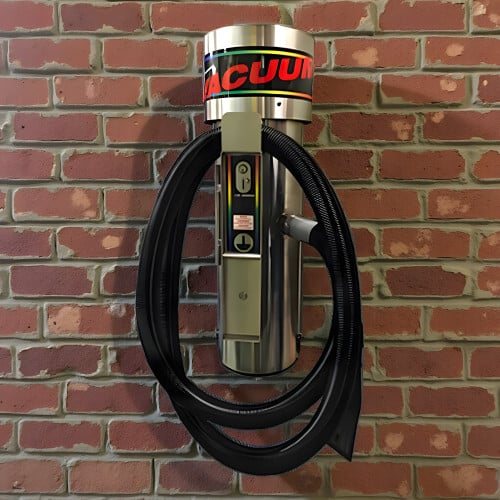
Wipe down the canister with a stainless steel cleaner as needed to prevent corrosion and keep your vacuum looking professional. Clean decals with mild soap and water to avoid damage.
Final Thoughts Routine maintenance doesn’t take much time, but it makes a big difference in how well your vacuum performs and how long it lasts. A little attention each week ensures that your equipment continues to deliver the power and reliability you — and your customers — expect.