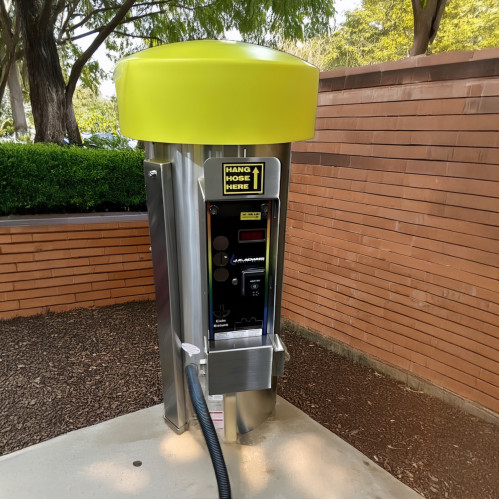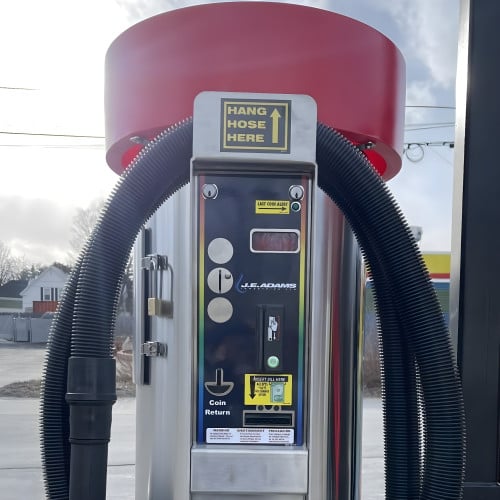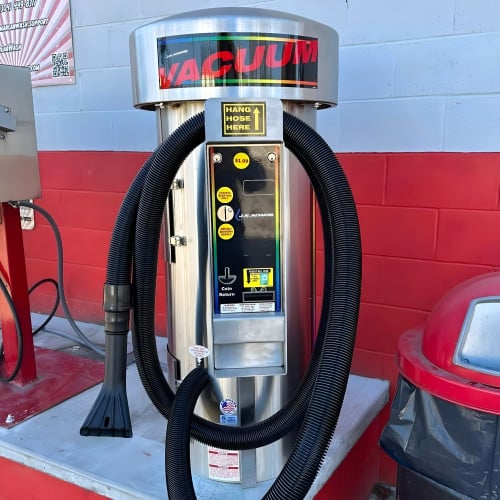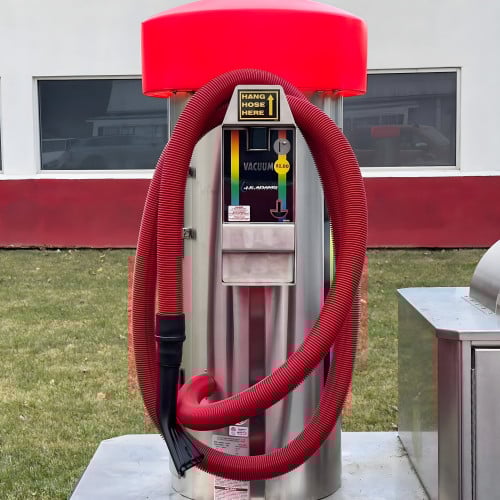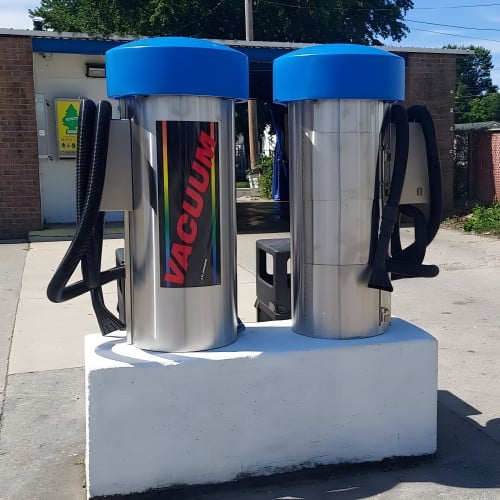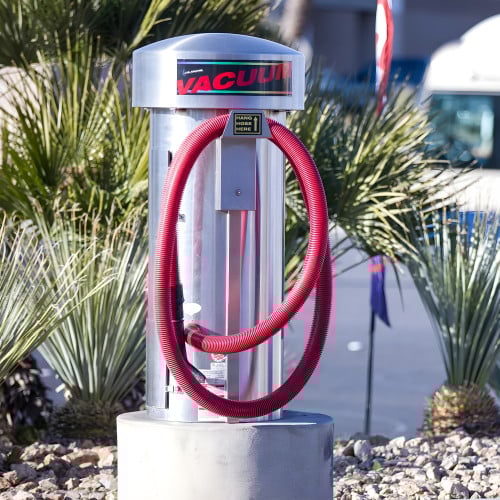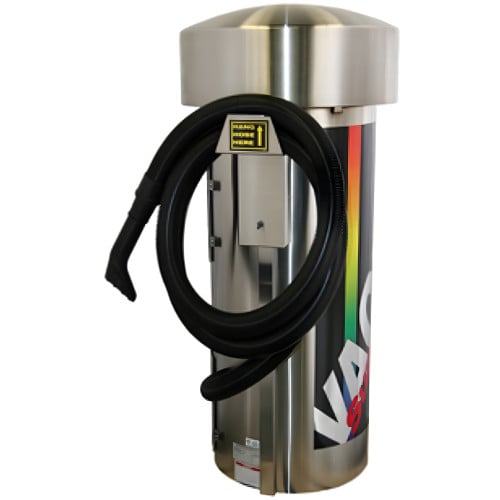
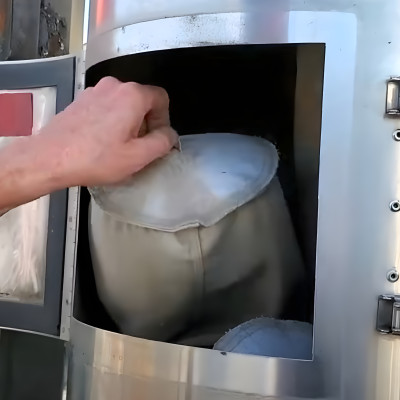
Most of the JE Adams commercial vacuums use four filter bags located under the top door of the machine. These bags are what keep dust and debris from reaching the motors, so keeping them clean and properly seated is essential.
Each filter bag has two ends — the bottom has the opening that snaps into a metal ring inside the canister, and the top is closed with a loop that hooks over the small metal hook above each opening. As the vacuum motors pull air through the bags, dust and debris enter through the lower opening and are trapped inside the fabric of the bag, keeping the upper chamber and motors clean.
To change a bag, simply open the top door, pull the old one out, and line up the rim of the new bag with the ring inside the canister. Press the front edge in until you hear it snap, and make sure it’s fully seated all the way around. Then slip the top loop of the bag over the hook above the opening. The video shows this clearly — you’ll see how the lower rim locks securely in place and how the top loop keeps the bag hanging straight.
Once all four bags are installed, check that each one is evenly seated and sealed tight. A loose or unseated bag can leak dust into the upper chamber, reducing suction and potentially damaging the motors.
During your weekly maintenance, take a moment to knock the debris down inside each filter bag. You can use the vacuum claw or any blunt tool to tap the sides of the bags so the dirt falls down into the lower chamber. This helps maintain airflow and extends how long you can go between deeper cleanings.
When cleaning is needed, remove each bag carefully, shake out the dust, and either rinse gently with a low-pressure hose or place it in a washing machine on a gentle cycle with mild detergent. After cleaning, let the bags air dry completely — never use heat or a dryer, since that can shrink or damage the material. Regular washing keeps airflow strong and extends the life of each bag.
If you ever notice the vacuum losing suction, check first that all four bags are seated properly and not overly packed with debris. Keeping a spare set on hand makes it easy to swap them out when needed. Replacement filter bags are available here.
How Long Filter Bags Last
Under normal use, filter bags typically last about 3–6 months before needing replacement. In heavy-use environments such as busy car washes or fleet service areas, they may need to be replaced every 1–3 months. For lighter or occasional use, a well-maintained set can last up to a year.
The key factor isn’t time, but airflow and debris buildup. Once the material becomes clogged or stiff, or if suction drops even after cleaning, it’s time to replace them. Also replace any bags that show small holes, tears, or loose rims, since those allow dust to bypass into the motors.
To maximize lifespan, shake the bags out weekly, rinse or wash them monthly, and rotate between two sets so one can fully dry before reuse. If your location handles a lot of sand or fine dust, cleaning more often will keep performance at its best. Expect to replace your filter bags every 3–6 months under typical conditions.